This is a guest post by Kevin Green.
Would anyone be really upset if LinkedIn?s .com destination up and disappeared tomorrow?
It?s safe to assume that recruiters scouring the site for new talent and current shareholders would be pretty peeved, even if the stock (LNKD) is trading at half price from the IPO.?But how would the lack of an online destination really impact everyday users?
Users that are tethered to their mobile phones and enamored by the promise of applications, innovation and integration?
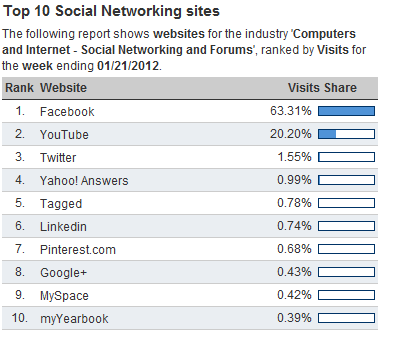
Of the top 10 most trafficked social networking sites, LinkedIn is a bit of an anomaly.?Its success is not dependent on status updates, games or rich media content, but on connecting individuals around professional interests and capabilities.
Even with 135 million registered users, LinkedIn has (not surprisingly) had difficulty keeping the attention of its user base ? with members spending an average of only8 minutes per visit (source: Google DoubleClick Ad Planner).
Compare that to the new social media darling, Pinterest.com. Traffic to Pinterest has grown a whopping 40% in the last 6 months ? and its 13 Million users are spending an average time spent of 15 minutes and 40 seconds on the site ? nearly double time spent on LinkedIn.com.
With numbers like these you can?t help but wonder how LinkedIn will compete for mindshare when interest-based social networks are cropping up everywhere and stealing bigger pieces of the consumer engagement pie?

If I was Reid Hoffman, I?d A) ? be a lot wealthier, and B) ? try a new approach that liberated LinkedIn from its .com chains, and focus more on applications and integration.
From a pure functionality standpoint, the standalone LinkedIn.com destination doesn?t offer anything that can?t be found or easily deployed within Facebook or Google+.? However, as a brand, LinkedIn has established a lot of credibility with business professionals around the world and has become the de facto standard in online CVs.
But there is only so long LinkedIn can maintain that credibility without innovating to better meet user needs ? because it?s only a matter of time before someone does ?LinkedIn? better.
Opportunities and Competitive Challenges
Facebook?s Open Graph applications present an interesting opportunity and risk for LinkedIn.
Of the initial 80+ applications within the Timeline Apps catalogue, Monster Worldwide managed to squeeze in the LinkedIn competitor Branch Out. Although the application struggled initially, the feature set is nearly identical to what is offered by LinkedIn, and deeper alignment with Facebook could gain significantly more interest.
- Note – Alison Hillman of BranchOut offered a correction the the comparison Brian makes. You can find more information here.
Considering Facebook?s 800+ million global user base and the staggering amount of time users spend on the social network per visit on average (23 minutes and 20 seconds), Monster?s move to integrate Branch Out deeper into the Facebook ecosystem presents significant risk to LinkedIn?s externally-focused strategy.
To date, LinkedIn has focused more attention on bringing users from Twitter, Facebook and Google+ deeper into its social network.? Users have linked accounts to share their activity in these more populated destinations rather than participate within the LinkedIn destination itself (we?ll see what happens when users realize the Tweets application is no longer supported as of January 31, 2012).
The result has been a redundancy in content and value.? While some of the LinkedIn Groups are thriving, many times it?s still not enough to warrant a separate destination as participation is infrequent and the feature is not dramatically differentiated from circles in Google+ or Facebook Groups.
LinkedIn has traditionally held the user base close to their vest and been strict about third party application development and sharing information.?However, the opportunity to bring down some of those walls, innovate and integrate is now.?While Branch Out may not be a true competitor in the long run, it?s only a matter of time before someone approaches the professional audience and delivers a more seamless experience with a unique feature set.
With such a powerful brand presence, LinkedIn has the opportunity to own the professional dialogue and connectivity across social networks, and not just on LinkedIn.com.
Time for LinkedIn to Re-Engage
As it?s become such a trusted resource in finding, evaluating and hiring employees, the LinkedIn ?Seal of Approval? carries weight and should be amplified to encourage more connections, more conversation and more action.? It?s not a new concept, LinkedIn tried back in 2010 to deploy an application in Facebook, but it failed miserably (9,000 likes compared to 398,347 for Branch Out).? Why LinkedIn chose not to continue its integration with Facebook is a bit of a mystery, but it?s time to re-engage.
The development of a robust application could dramatically increase interaction and time spent among LinkedIn?s core user base.? It also creates an opportunity to gather more data about members and enhance their targeted advertising around interests and behaviors.
If the core functionality of LinkedIn was more portable, then the role of the LinkedIn.com destination moves away from being a standard social network that requires daily participation, to a distributed presence that can more easily integrate with highly trafficked and engaging social networks and eventually, permeate corporate websites.
Just think about how LinkedIn community engagement would change if it was effectively integrated with Facebook, where 81% of users log in at least weekly (in comparison to the 14% of users that log in to LinkedIn)? (Source: Mintel ?Use of leading social networks, June 2011?)
In my opinion, LinkedIn as a social network is too valuable and useful to disappear entirely, but without some strategic adjustments, it faces the biggest challenge from competitors and entrepreneurs.? Segregating itself from others and facilitating fringe connections with Twitter and others is a missed opportunity.
That said, if there was one social network to watch over the next two years, I?d place my bets on LinkedIn, if it strives to innovate and integrate.? Otherwise, LinkedIn could become the MySpace of professional social networking.
 About the author: Kevin M. Green is the Vice President, Strategy at Digital Influence Group, a full service digital marketing agency located in the Boston, Massachusetts area.? He blogs regularly at Green Matter Thoughts?and can be reached on Twitter @kevinmgreen.? For more on his professional background, you can visit?Kevin’s LinkedIn profile.


![Reblog this post [with Zemanta]](http://img.zemanta.com/reblog_e.png?x-id=cc214050-ca21-4529-ab2f-0807c44dea6f)