• Skip to primary navigation
  • Skip to main content
Danny Brown

Danny Brown

podcaster - author - creator

  • About
  • Podcasts
  • Journal

facebook

Communication + Unity = Community

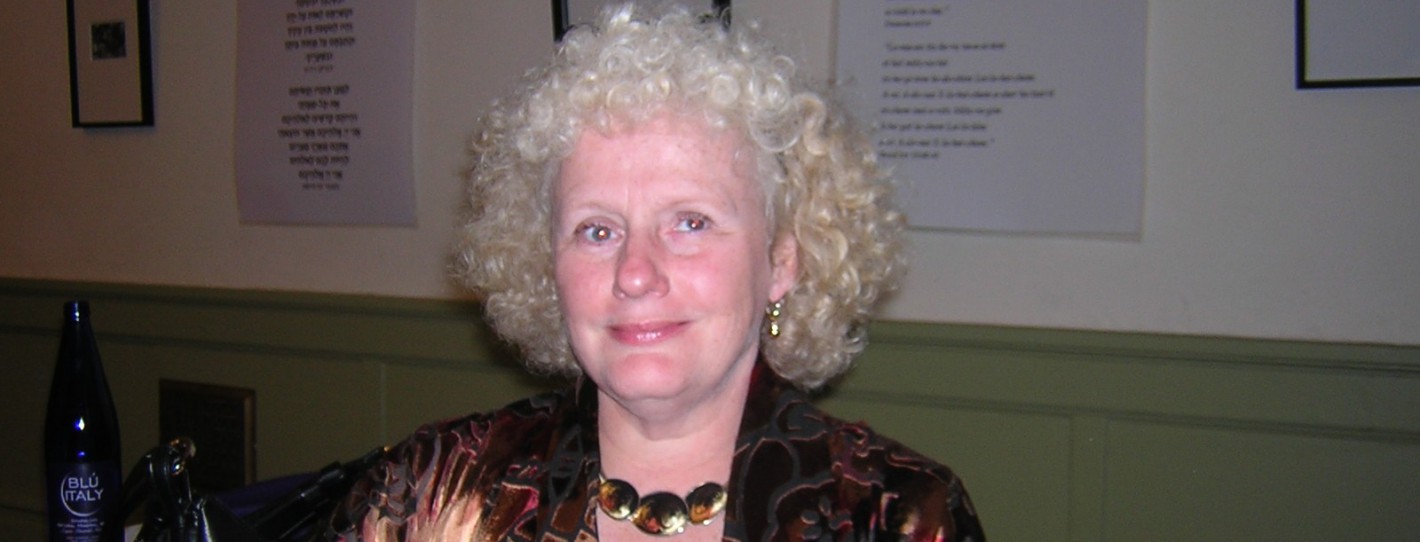
cathybrowne

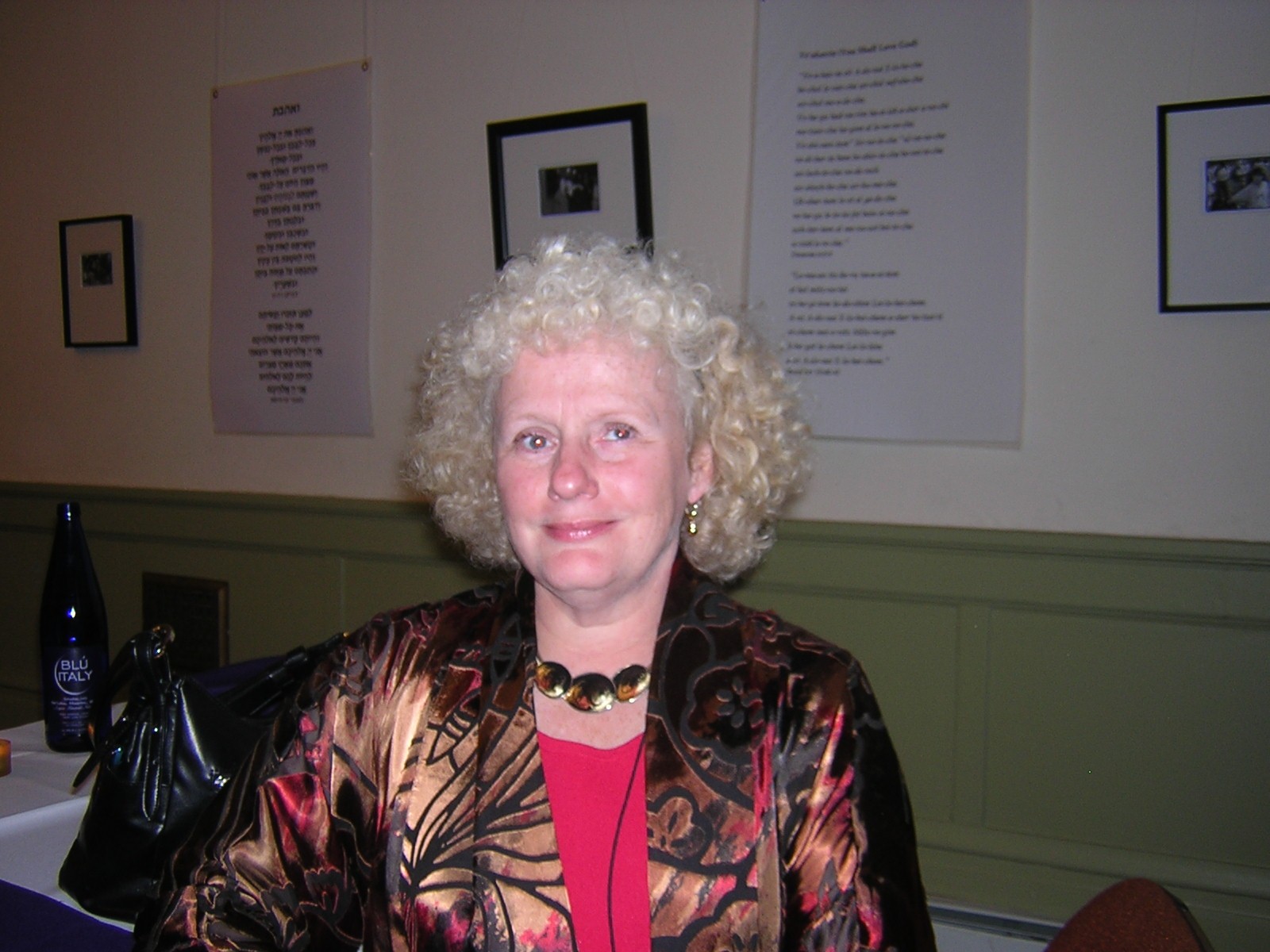
Yesterday on Twitter I made the comment that communication + unity = community. A simple play on words, it seemed to hit the target with a lot of people. This guest post from Cathy Browne, a Canadian PR professional currently based in the US, takes that sentiment further and looks at how we can all help our local communities.

It?s Martin Luther King Day here in the US, and President-Elect Obama has urged us all to honor Dr. King?s memory by performing good works for others. People all over the country have responded, and I?m thrilled so many have answered the call.

Today got me thinking how, as PR professionals, we can lend a hand every day, right in our own neighborhoods. In this brutal economy, local independent businesses from restaurants to dry cleaners have been suffering for months and will face even tougher times as the year wears on. It?s already happening to my favorite eatery, a Moroccan restaurant called Casablanca which boasts great food and a hard-working, caring owner/chef.

I?ve been doing what I can for them, and pass along some tips that might help a small business in your area:

  • If you value a service, and want to see them succeed, get to know the owners. Talk about the challenges they face.
  • Offer to take a look at their web site, and give them some suggestions on how they can improve the site to increase traffic. (Often it can be as simple as cleaning up typos, or suggesting they insert photos or a video clip.)
  • Suggest they give incentives for repeat customers in the form of a VIP discount.
  • Discuss how they can increase traffic on slow days ? with promotions such as ?15% Off Wednesdays?.
  • Help them design simple, inexpensive flyers to promote their business.
  • Spread the word on community sites like Facebook, Twitter, Yelp, Chowhound and Open Table to let others know why you are a fan.

We have so much knowledge.? Let?s give back to the people in our own backyards.

  • A graduate of Canada?s prestigious McGill University, Cathy Browne is a PR professional with more than 20 years high tech public relations expertise. She has worked with more than 100 companies in Canada and the US, including Lotus, Sun Microsystems, KPMG and Deloitte Touche. She embraces social media as an invaluable PR tool and a critical component of any successful communications program. To learn more about Cathy, please visit her LinkedIn profile or connect with her on Twitter.

If you enjoyed this post, please consider leaving a comment and subscribe to my RSS feed or via email to ensure you can enjoy the latest post(s).

Reblog this post [with Zemanta]

Turning Towns Into Cities

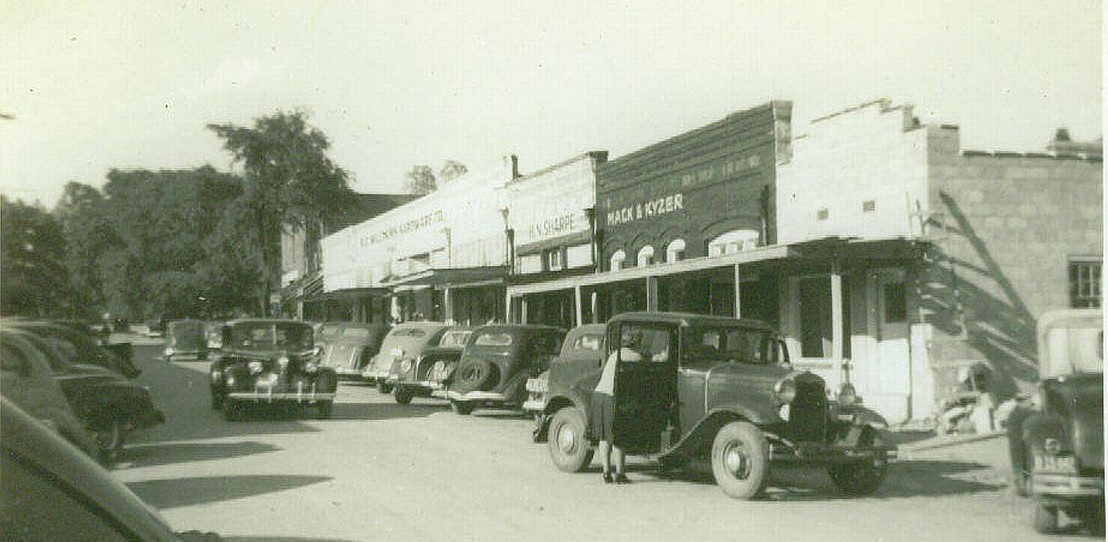
my first real taste of small town Main Street
Image by incendiarymind via Flickr

My good friend Susan Murphy wrote an interesting post yesterday, about how small towns are social networks. She points out that small towns have led the way for years when it comes to networking and seeing social leaders rise to the top. It’s a really good read and I highly recommend it.

It reminded me of something I’ve been thinking of for a while – how to involve the offline community more with the online one. While the likes of Twitter, Friendfeed and other social media tools are in the ascendancy, they’re still only used by a relatively small number of users, personal and professional.

So how do we change this?

How about we offer real-world and relevant use to offline communities so the online ones would experience growth and understanding? If we gave examples – workable examples – and led the way in showing users how to benefit from these self-same examples?

A conversation I had with my friend and PR person extraordinaire Lizz Harmon led me to think that this can be easier than many might think.

Imagine for a minute that you’re looking to travel somewhere for your vacation. Generally, you go by what the travel agent tells you. Now, unless you’re one of the very few lucky ones who’ve had great travel agents, the information you receive often doesn’t tell the whole story. Unfinished hotels, work sites just off the beach, sewer problems – and that’s just the good stuff.

I don’t blame the travel agent completely – after all, their job is to sell you a vacation and that’s where they make their money. I just wish for a little more honesty.

Now, imagine if you’re the same person looking to go on vacation and you get your information from a town or city’s Tourist Information Bureau – but via Twitter. Customer service representatives cover the account 24/7 and are able to answer any questions you might have. They’re not on commission so there’s no need for any imaginative descriptions.

They give you up-to-date information on places to stay and visit, local events and much more. By interacting with the future visitor, the tourist information office is doing everything right when it comes to placing its town or city in a positive light. And for small towns, it lets them keep up with their city equivalents and encourages tourism into their little part of the world.

Why stop there? Why not have councillors or Chambers of Commerce online and answering concerned citizens or incoming businesses respectively? Restaurants or movie theaters could offer discounts and incentives to anyone that brings in a printed deal from Twitter, Facebook or similar.

There’s a multitude of ways that businesses in particular can encourage the online and offline communities to come together. Our job is to help them get there. Who would you want to see online and what services would you use?

If you enjoyed this post, please consider leaving a comment and subscribe to my RSS feed or via email to ensure you can enjoy the latest post(s).

Reblog this post [with Zemanta]

The Best Way to Get Involved in Social Media

jacobmThis is a guest post from social media consultant Jacob Morgan.

The best way to get involved in social media can be summed up in one word – act. Spending 6 months researching and planning your social media campaign is not the best thing to do. Now I?m not saying don?t have a plan – I?m saying have a plan that you can put together and act on quickly and effectively and make it actionable sooner rather than later.

It?s always a good idea to start listening and getting a feel for your landscape and surroundings, I consider this a part of acting as it involves engaging in the social media space. Every day you spend ?planning? is a day where you are potentially missing hundreds or thousands of conversations/relationships that you could be engaging in.

You have to remember that social media is very dynamic.

  • New tools emerge daily
  • Your competition isn?t going to sit still
  • Brand/company sentiments can change rapidly
  • You are going to miss out on the conversations that are going on now if you wait
  • Part of succeeding in social media is about trying new things, it won?t be ?perfect?
  • There is no formula for success

Your plan is most likely going to change once you actually engage in social media and begin interacting with your users and customers. In fact, your users and customers SHOULD dictate some of your plan; they will tell you what they want, how to build it, who they want to talk to, and what they expect (among other things).

The best thing to do is start small (even while you are still formulating and constructing your plan) because at least you can begin engaging in conversations and building relationships. For example, you may want to create a Twitter account for a customer service representative that can monitor conversations and engage in them. Maybe you want to create a customer facing blog that the company can use to provide some unique company or industry information.

While these conversations and relationships are building you can think of larger more strategic ways to engage with your users, i.e. building microsites, creating your own social network, promoting products/services via social media channels, etc.

Creating a plan is good – acting is better.

  • Jacob Morgan is a social media marketing consultant and runs a team of Technical SEO’s. Jacob has founded a start-up in the social media space and has worked with brands such as Adobe, Conde Nast, Sandisk and Salesforce. He is an avid and passionate blogger on all things social media and marketing related. He also loves meeting and building relationships with people so say hello and let him know if he can help you! You can connect with Jacob on:
    Twitter
    Facebook
    LinkedIn

If you enjoyed this post, please consider leaving a comment and subscribe to my RSS feed or via email to ensure you can enjoy the latest post(s).

Reblog this post [with Zemanta]

It’s Nice To Be Nice

The world can be a tough place to live in at times. We try our hardest to make it work, but things don’t always work out to plan. It’s a fast-paced environment where people get left behind or ignored, or simply forgotten about. If you don’t fit into a stereotype, you’re not one of the “in-crowd”.

(And you thought that stopped at high school.)

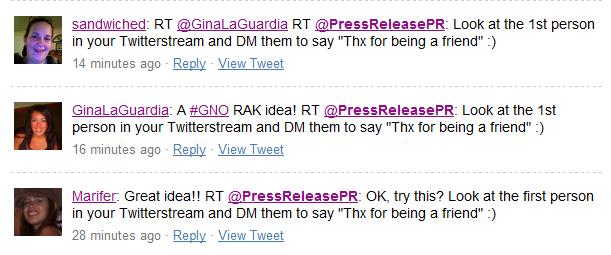
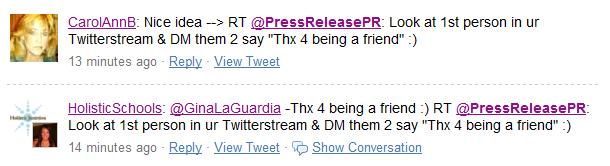
But you know, as fast as the world is and as unfair as it can be, we can still make it better in our own little ways. Nothing mind-breaking; nothing rocket science in nature. For example, this morning on Twitter I suggested this:

“Look at the first person in your Twitter stream and Direct Message them to say thank you for being a friend.”

Simple, easy and maybe just offering a little fun into our lives and the people around us. What was really nice to see was that people picked up on it.

If we can pick up on something as simple as this with people we may never have met physically, shouldn’t it be just as easy to do so with those we know? So let’s try it.

Look at the last “proper” email you received, reply to that person and say, “Thank you for being a friend.”

Look at the first name in your phonebook and call them to say, “Thank you for being a friend.”

Look at the first person on your Facebook friend list and say, “Thank you for being a friend.”

It’s easy to do. It doesn’t take much. Yet in a world that does its best to put us down at times, it can brighten up a whole day. And just so you know?

Thank YOU for being a friend.

The REAL Social Media ROI – Risk of Ignoring

It seems everyone’s been talking lately about the Return on Investment – ROI – of social media. On the one hand, we have businesses trying to see where they’ll make a profit; on the other we have social media proponents explaining you shouldn’t try to measure social media ROI the same way you would in normal business practices.

But maybe we’re looking at the wrong ROI to start with – instead of return on investment, perhaps we should be more worried about the Risk of Ignoring.

This can work on both levels, personal and business-led, but for the sake of this post, I’m going to stay with businesses.

(If only from the viewpoint that it seems to be businesses more than individuals that are using social media less effectively).

Say the CEO of Company X brings in his sales or marketing director to the boardroom, and tells them he’s heard wonderful things about this “social media craze”. He’s heard that millions of people are using it, and he wants his company to have a bite of the money that these millions of social media users have, just waiting to be spent.

So the sales or marketing director decides to have a look at social media. Perhaps he’s even on Facebook, so he knows what social media is all about. He’s told his CEO not to worry, Company X will soon be rolling in extra cash from all the wonderful sales to be made through social media marketing.

So the director sets up a Twitter account – after all, just look at the conversation going on there. That’s a surefire sales arena if ever there was one! He starts following people left, right and centre and pretty soon he has a sizable following back. Time to start selling Company X to the masses, thinks the director, and starts sending out Tweets and direct messages about how great Company X is and why people should buy from them NOW.

The director has carried out the legwork and now has his message in front of hundreds, if not thousands, of people. Time to sit back and wait for that Holy Grail of ROI to start. Which it will – just not the one that was expected.

This is where the Risk of Ignoring plays its hand.

By ignoring the simple fact that social media is about conversation, the director has completely missed the point. Instead of building up a loyal and quality-led following, all he’s done is build the equivalent of a non-optional email list for a sales pitch.

Now he’s wondering why so many people are un-following him on Twitter. He’s also wondering why no-one has rushed to Company X’s website and bought anything from their online store. Most of all, he’s wondering what he’s going to tell the CEO at the next progress report meeting.

I see this happening all too often with businesses. While originally there may be good intentions for using social media, trying to use traditional sales or marketing tactics will usually backfire. Whereas CEO’s and sales or marketing directors may be used to success with the heavy-handed “shout at everyone” approach, it’s just not going to work when it comes to social media.

You want your business to enjoy success with social media users? Be social with us. Get to know us, and what interests us, and in return I can pretty much guarantee you’ll have the interest you want in you and your product. Because we are actually interested in what you have to say.

Just don’t ignore us.

  • « Go to Previous Page
  • Page 1
  • Page 2
  • Page 3
  • Page 4
  • Page 5
  • Go to Next Page »
© 2026 Danny Brown - Made with ♥ on Genesis