• Skip to primary navigation
  • Skip to main content
Danny Brown

Danny Brown

podcaster - author - creator

  • About
  • Podcasts
  • Journal

Customer service

Customer Service is Not the Same as Being Customer-Centric

Last year, for an ongoing period of three months, I tried to to resolve a payment issue with a national?water heater service provider here in Canada.

When my wife and I moved home the previous summer, we switched from our current provider to Reliance, and took advantage of a special introductory offer that would see us receive nine months free rental.

Unfortunately, the sales guy completed the form incorrectly, and we only received eight months. Additionally, the payment amounts on the paperwork didn?t tally with the payment taken (early) from our bank.

So I contacted Reliance customer service ? or attempted to. That?s where the fun began.

Why Would You Make Your Customers Dizzy?

On attempting to call Reliance, I was placed in the phone tree from hell.

  • Did I want French or English?
  • Did I want customer service, sales, technical support, billing, rental, overdue payments, or arrange an appointment?
  • Did I have an account or did I wish to create an account?
  • Did I wish to speak to an operator or automated message?

A-ha ? the last option meant I was going to finally get somewhere, right? Wrong.

  • Do you wish to speak to a sales operator or a service operator?
  • Is this for your current bill or are you inquiring about payments?
  • Is this your account?

WTF?? Why would I call up to pay someone else?s account? This is getting ridiculous. But then the magic statement:

We are transferring you to an operator, please hold.

And, kudos to Reliance, they actually placed me through to an operator. Who promptly asked me for the account number I had just entered previously using the touchpad buttons on my phone that Reliance had told me to use!

Sense any frustration here? And this was the exact same process I?d gone through every time I?d called for the previous three months.

Add to that the fact that no-one called back with a resolution, even though that had been agreed between myself and Reliance?s customer service resolution team, and you might wonder about how customer service is defined at Reliance (or any other company that believes phone trees are still the answer).

What?s even more ironic is Reliance?s customer service statement on their website:

Our Vision:

We will change the way people think about our industries by providing vital products and services in innovative ways. Working together, we will lead the market in customer satisfaction.

A worthy mantra ? except using a phone tree with about 100 branches isn?t exactly innovative, nor does it encourage ??leading the market in customer satisfaction.?

While Mandy Champagne, a supervisor on the Customer Solutions team, eventually reached out to me?and credited the account with a goodwill gesture of an extra month?s usage, the whole experience was frustrating and made me reconsider our decision to move to Reliance.

It doesn?t need to be this way, either.

Becoming Agile With Customer-Centric Service

Back in 2010, I was tasked with a client?s customer satisfaction rating. They were a call centre for a leading smartphone provider, and their rating was awful. Since I?d led customer service teams back in the U.K. with leading mobile telco O2, the client was hoping I could improve their own team?s performance.

After reviewing their set-up, the problem became instantly clear ? they were wasting too much time on the little things, and the big issues were being left unresolved because of this.

Add in the fact their phone tree was even more archaic than the Reliance example I used earlier, and it wasn?t too surprising customers were hanging up and going elsewhere.

The solution was simple ? become agile and use better tools to provide a truly customer-centric experience.

The social media solution

My team discovered that around 80% of the problems were simple, relatively minor calls. How to set up voicemail, how to access the app store, etc. We also discovered that many of the customers were on social networks, especially Twitter.

So we allocated around 20% of the call centre team to Twitter to answer these questions, and we had direct links to FAQs and graphic guides to direct the customer to. The result ? dropped call stats fell by half, and customer satisfaction rating went up by 67%.

The channel solution

As well as the social media approach, we implemented a survey of our client?s customers, either when they called in, by direct email, or via Twitter (sharing a link to the survey). This was to determine how they would like the resolution team to contact them.

This ensured two things ? the social team could concentrate on the small stuff while the resolution team not only worked with the customer directly, but on their preferred channel (phone, email, letter, etc.). This was a key moment in the strategy, and saw the client win an award in both customer rating and escalated call resolution.

The pro-active solution

As well as using Twitter for dealing with simple issues, we also trained the technical service team to use social monitoring platforms. This allowed them to take control of any mentions of the brand negatively, and jump into the conversation to see how they could help, as well as arrange a solution.

We also monitored how the customer had been treated at one of the client?s resellers; and we monitored competitor conversations and directed the sales team to potential leads.

The result ? new activations increased by just over 30%, and better education tools were sent out to resellers. Additionally, tech calls dropped by 14% in the first six months, since the tech support team were handling and solving issues online.

And the client phone tree that had previously been in use? That was restructured to three simple choices ? customer service, tech support and sales. Simple, clean, and direct to a relevant company agent.

Since 2010, the client has continued to improve processes and is regularly cited as one of the best in class in the mobile communications market for customer service and best practices using social media.

Your Customers Are Your Brand

The example with the mobile client isn?t a unique one, nor were the solutions anything majorly innovative ? it was simply a matter of looking at what was going wrong, and turning the company into a truly customer-centric one.

We can talk all we want about great marketing initiatives, and crisis communications, and how cool our products are ? but if none of that rubs off on our customers, we won?t be talking about the cool stuff for very long.

Customer service, and how you treat your customers, is the biggest, most organic method of marketing your brand will ever use. Frustrate them, and you will lose them. Work with them, and you will build advocacy more effective than any marketing or customer acquisition budget could ever hope to offer a return on.

Your customers are your brand ? and you wouldn?t let your brand suffer, would you?

Customer Service and Why It’s All About the LIST

Teens and Technology

Making a list

One of the things that never ceases to amaze me is the lack of basic customer service smarts in many companies. It seems such a dumb game to be playing, as well.

For example, if a company?s customer service is poor, that?s more than likely going to mean a very big uphill struggle ahead in terms of brand acceptance. But, if customers have a positive view of your business, it?s an extra piece of firepower that can be used in getting the news out about a new product or service.

This is particularly true with social media and online networks. With the amount of blogs, micro-blogs and forums that can spread bad news like wildfire, examples of poor customer service will come back and hit you hard ? and fast. This is equally the same for positive news about you.

So how do you make sure your customer service stands up to closer inspection? Simple ? you use a LIST.

Listen

The key to any great customer service is knowing what your customers are thinking and offering solutions where needed. You may have the greatest product in the world, but what if it?s only beneficial for right-handed people, for example? That means there?s a whole section of your customer base you?re not satisfying.

When you hear about problems, look at ways to resolving them. If it?s cost-effective, offer slight variations on a theme so you?re at least offering alternatives to those that may not benefit from your original product. It?s true that you won?t be able to please everybody all of the time, but pleasing the majority is a great second place.

Involve

Do you have a way for your customers to interact with you? Is there a?contact form on your website? A suggestion link on your company newsletter? If not, how will you possibly know what your customers are thinking?

Involving and interacting with your customers is key to knowing what they want. Without this, you might be missing out on a potential goldmine of information that could help you decide on your next course of action. Always remember your customers are who pay your bills ? knowing what they want is knowing how to succeed.

Satisfy

Great customer service means great customer satisfaction. This in turn leads to customer loyalty ? important at the best of times but crucial in today?s business climate. If one of your customers has a problem, how you deal with it will define how you are perceived.

Don?t be pig-headed and ignore a customer?s grievance or point of view, even if they are in the wrong. Instead, be open and professional, and offer empathy for their situation.

Coming to a mutual agreement is obviously the best result, but if this isn?t going to happen, offer a reasoned argument to your customer on why they are incorrect on this occasion. Additionally, work towards a solution on how best to avoid the same problem in the future.

Transfer

Part of the above approaches is that you?re gathering actionable data. You?re finding out things about your customers that you may have otherwise missed, or seen but not recognized.

So use that information.

Take the knowledge you now have and see where else it can be transferred around your business.

  • Does sales need information about the right description of a product?
  • Does marketing need to adjust their terminology?
  • Does legal need to put disclaimers on your products?

All this information and more you can get from your customers ? so make it easy for them to give it to you.

There will always be instances when your customer?s expectations aren?t met. This is a simple fact of business and one that can?t be avoided.

How you deal with it, however, is how you will be judged ? make sure your response is the right one.

Are You Telling or Asking?

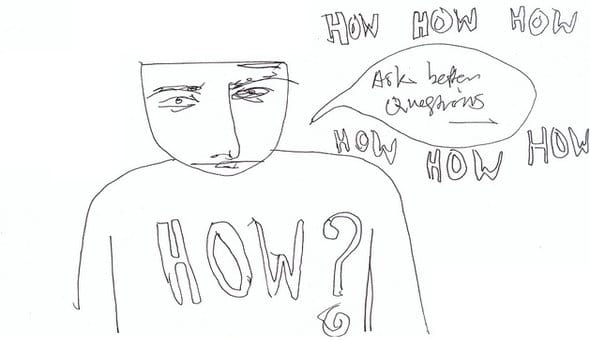
Ask your customers better questions

Ask your customers better questions

When was the last time someone asked you what you want? What you?d prefer to have, over what their perception thinks you?d like to have?

Are you looked after by the services you use on a regular basis? If not, why not ? isn?t it about time you were?

I?m a business owner, but I?m also a consumer and a customer. So why am I told what I need instead of being asked what I need, as a customer?

When I go to a store to buy goods or services, I?m offered AirMiles as an incentive. But if I don?t fly often, what good is that to me?

When I receive an email to fill out a business survey I?m offered Barnes & Noble gift vouchers, but I?ve never shopped there in my life. Are they really incentives?

There are countless communication methods to speak with your customers and ask what they want. You have mailing lists to stay in touch with your most loyal ? use them. Customer service questionnaires, website forms, Twitter, telephone calls ? make it your task to ask.

Speak to your customers and instead of offering non-essential incentives, and offer something they would use. How many of your customers drive? Wouldn?t a gas loyalty card offer with a certain level of purchase be a better incentive to spend money with you?

Frequent flyers part of your customer base? Instead of offering a discount at just a specific store within the airport, how about a discount in any shop within the airport? Leave the choice to your customer as opposed to making the choice for them.

Good business sense is all about listening. Where are your listening posts?

image: Dan Morelle

What Posterous Could Learn from Gravity Forms About Service

Customers and employees are your two most important ingredients in a successful business. Without one, you can’t have the other.

Customer service is an especially hot topic for me, as I’ve worked in improving how service is measured and improved at a few companies, where previously it was maybe in third or fourth place when it came to that company’s priorities.

Your employees are your best customers, and your customers are your best employees. They’ll defend you; market for you; endorse you; and be your voice where you might not currently have a presence.

If you look after them. Something blogging platform Posterous could improve on.

A Week is a Long Time in Business

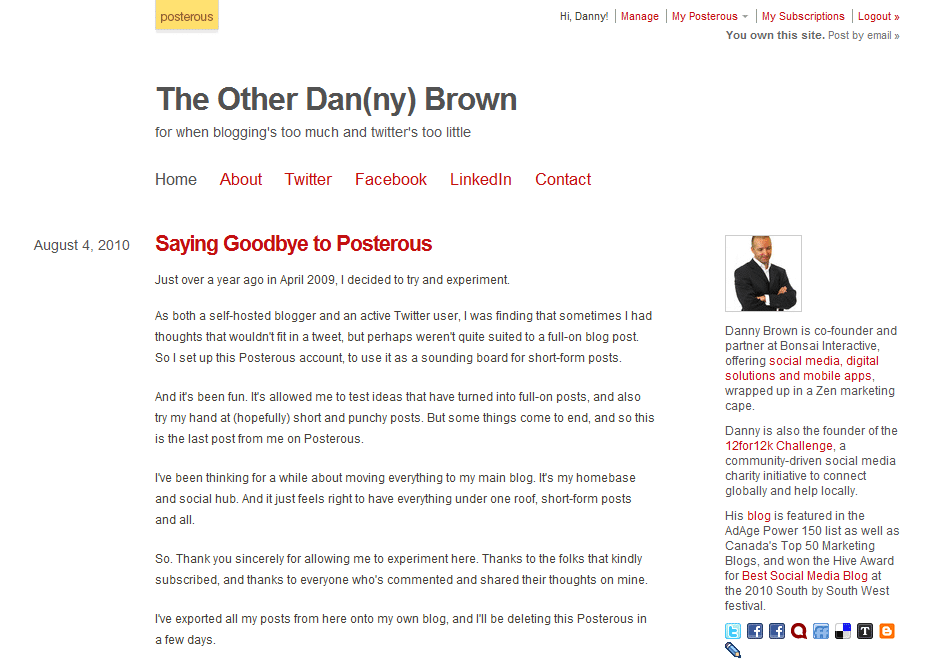
Almost two weeks ago, I decided to stop posting short-form blog posts over at Posterous, and move all my blogging back to my blog right here. While I had enjoyed experimenting with Posterous, this is my homebase. And I wasn’t keen on a third-party “owning” my content.

So, I wrote a post about why I was leaving Posterous and made the decision that I’d delete my account there within a few days, to allow anyone to come and subscribe here if they wished.

And that’s where the fun begins.

I tried deleting my account, and kept getting an error message. No worries, the message mentioned Posterous had been emailed about it, and it’d be resolved soon. Except it wasn’t.

For a week, I tried to delete my account – I even made it my secondary one since I was informed that primary accounts at Posterous need you to contact support to delete the account for you.

Still no joy. Frustrated, I reached out to Posterous via their Twitter account. No reply there, so over to contacting their helpdesk.

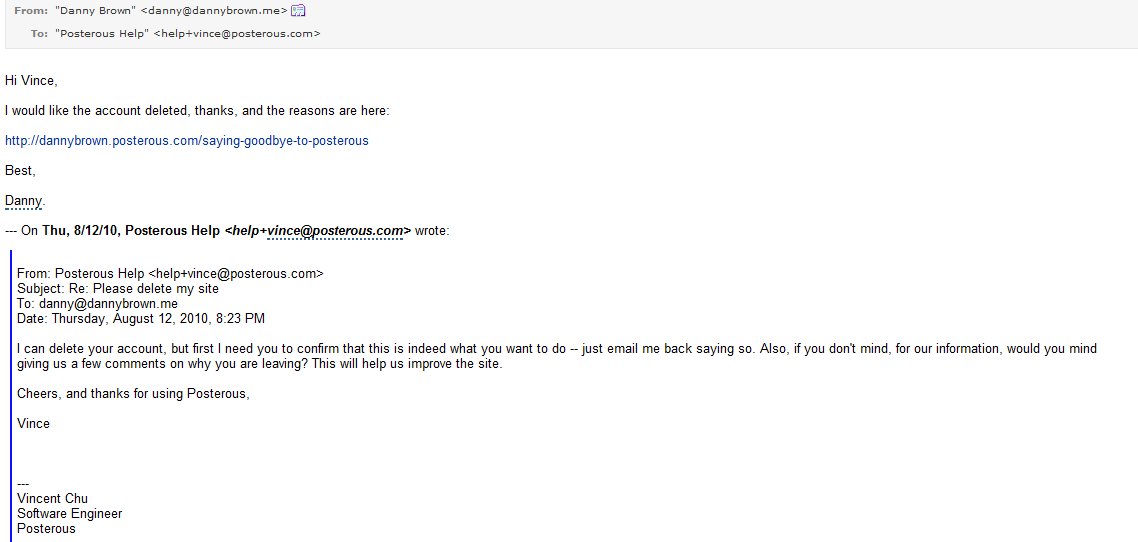
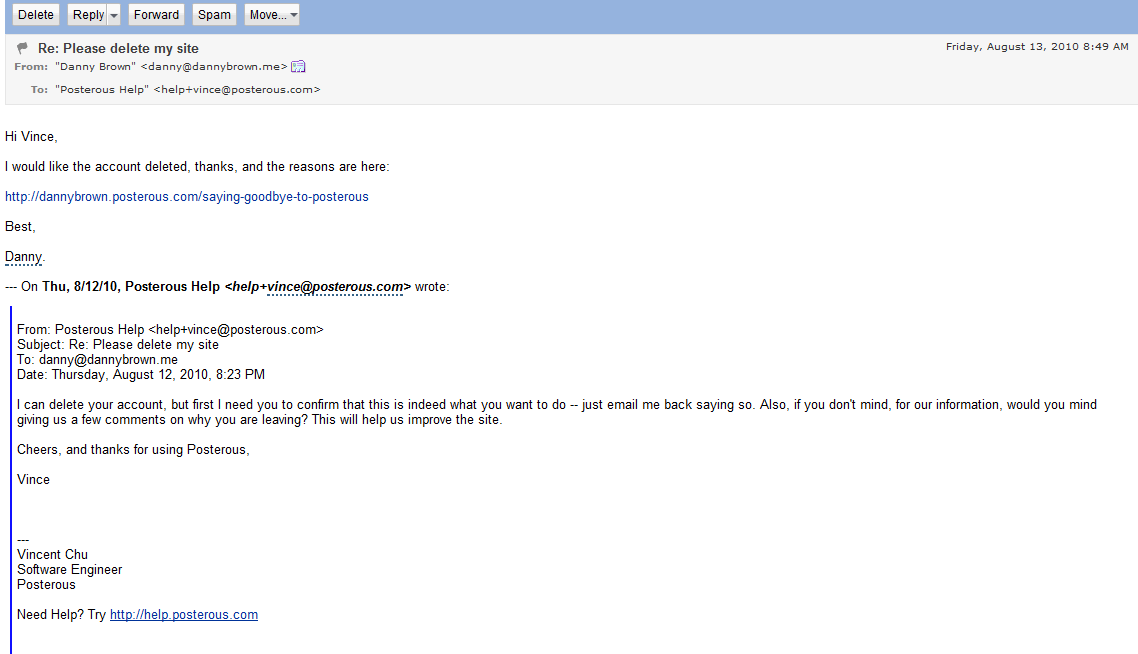
In all fairness, their representative Vince got back to me seven hours later. Yet it wasn’t to delete the site right away – that would only happen if I confirmed that this was what I wanted to do (click to enlarge).

So, I mention that yes, I do want to delete my account and I pointed Vince to my post on their platform as to the reasons why.

This was on Thursday, August 12, and as of writing, my Posterous account is still live.

Customers Hate Obstacles

So now I’m pretty frustrated with Posterous. I no longer want to use their service, but I’m still “using it” if you visit my account there. And the company isn’t making it easy for me to stop using their service.

It’s like me signing you up to my newsletter, and then making you jump through a bunch of hoops to unsubscribe, in the hope you might give up and stay with me for convenience’s sake.

And it’s a shame. I’ve written before how Posterous offers an easy way in for folks to experiment with blogging, and I’ve pointed clients their way in the past that wanted to see if blogging is for them. But not now – my experience with Posterous has been soured by something that should be pretty straightforward.

As customers, we can be a complaining bunch, but at times the complaining could be easily avoided just by taking away the obstacles companies put us through. Some get that spot on.

The Gravity Forms Experience

I started using Gravity Forms recently for my contact forms. I’d heard good things about them and I wanted to check them out, so I bought the single user license. I loved how they worked, so I wanted to upgrade to the multi-site license instead.

I used their contact form to ask how easy this was, and what the steps would be. Within 10 minutes, Carl Hancock had an emailed answer and easy-to-follow steps on how to upgrade. Within 30 minutes, I had a coupon code to use that would deduct my original purchase from the multi-site one.

But what really stood out for me is that this all happened late at night. I contacted Gravity Forms at 11.28pm, and by 11.58pm I had my coupon code and purchase instructions.

Thirty minutes.

That level of service turns me from a simple customer to a brand advocate. If anyone asks me about forms for blogging, I point them in the direction of Gravity Forms. Every time.

Simple Sells

It may be that Posterous has a larger userbase than Gravity Forms. It may be that their platform needs more technical nous than Gravity Forms. It may be that there’s a certain timescale before something can get done.

But to customers, that doesn’t always matter. All we want is a simple product, and one that we can stop using at any time if we choose to do so. Making us go through hoops just ensures we won’t return to your product in future, and will probably use your competitors instead.

You could say that Posterous is a free product, and so the support doesn’t need to be as good as that of a premium product. But let’s say at some stage they’re looking to make it a paid service – how they look after you now defines how you’ll perceive paying for their service.

Marketing might sell a product, but service is the gold that repeat sales come from.

Compare the Posterous and the Gravity Forms approach – which one would you be a loyal customer of?

Update – my account has been deleted after Rich Pearson of Posterous kindly stepped in and explained the delay.

Big Business Needs to Think Smaller

FreyaHere?s a question for you. If you?re in business, how do you treat your clients?

Or, to look at it another way, how do your clients treat you?

Is it with respect and?shared passion for doing the same work, or is it just having a need for each other and no more?

When dealing with a client, do you meet your deadlines or do you constantly offer excuses why their project isn?t ready? Do you work closely together, listen to/make suggestions for improving and strive for excellence on the fly, or do you simply turn in the work, take the money and walk?

I ask this?simply because it seems many big businesses have forgotten the art of either being a client or providing for one. From having a maze of contact information to wade through to losing the personal touch that won them the following of the customers in the first place, larger businesses are forgetting how to communicate.

So here?s an idea.

Go back to basics. Remember when you first started your business and you had time for everyone (because everyone was important)? Find that business owner again.

Ask yourself how you?re communicating and how you can improve. Are you using the online space effectively? Look at your Internet strategy and see how your brand is viewed. There?s a billion voices waiting to answer you and offer you invaluable advice and insight into making your brand the authority in your niche.

The question is, will you be listening?

Creative Commons License photo credit: fofurasfelinas

  • Page 1
  • Page 2
  • Page 3
  • Go to Next Page »
© 2026 Danny Brown - Made with ♥ on Genesis