• Skip to primary navigation
  • Skip to main content
Danny Brown

Danny Brown

podcaster - author - creator

  • About
  • Podcasts
  • Journal

Archives for April 2012

Create and Measure a Social Media Campaign with the @JugnooMe Dashboard

JugnooMe social media dashboard

When we envisioned our?social media dashboard?JugnooMe, our key tenet was to make the social web simple, accessible and monetizable for everyone.

This means a solo entrepreneur; a full-on corporation; an agency looking after clients; a non-profit; realtors, franchisors and much, much more. But goals are one thing; making it happen are another.

One of the ways we?re making it happen, even during our beta stage, is by having a complementary suite of tools that dovetail into each other and offer a fully integrated solution because of it.

By doing this, it means you, the user, can create fully-fledged social media campaigns even while our products are still being fleshed out and added to.

To give you an idea of how you could use JugnooMe for your social media needs/campaign, here?s a simple overview of how you could use the tools to start, track and measure your campaign.

Step 1: Gather the Intelligence

Okay, so you?ve been told you need to get on social media because that?s where all your customers are. But are they? There are 7 billion people in the world. Let?s say half of them are kids ? that leaves 3 billion.

Even the mighty Facebook has less than a billion users. So, by definition, at least 2/3 of your customers may very well not be on social media. Your job is to find out if they are, and that?s where our Social Search option comes in.

JugnooMe social search

This feature allows you to enter keywords around the topics your potential customers would be talking about around your brand or the services you offer.

You can then filter these into Positive, Neutral and Negative, which is perfect if you want to make a soft sell around your product (Positive sentiment and non-invasive tweet about the Twitter conversation and topic) or protect your brand (Negative and your instant reply with a solution or correction to erroneous statements).

What Social Search also allows you to do is see if people are talking about your industry at all, and where about, which will then allow you to target your next steps.

Step 2: Creating the Campaign

Let?s say Social search shows you that there?s a desperate need for an answer to a question that hundreds of people are asking, but no-one seems to be responding too.

It could be a product and its reliability, or an upcoming area in the real estate market and what that means to potential buyers.

While you could simply reply via Twitter to the hundreds of individuals, it?d be a lot more effective (and profitable) to run something like a premium webinar, and then smartly promote into the search terms and conversations from your original results.

Now, while we can?t help you with the webinar creation, we can help you get the word out and measure. For instance, once you have the webinar booked, you could use our SVM (social video marketing) tool to create a short promotional video with snippets of eye-catching copy, images and sound.

JugnooMe video tool

Once you?ve uploaded the video (either to Jugnoo Media or YouTube ? more platforms will be supported soon), you can then start promoting your video and webinar across your chosen social networks, using our global J-Post option.

This currently allows you to post updates to Twitter, Facebook (profiles and Pages) and LinkedIn.

JugnooMe global post

You can use this feature with as many accounts as you wish ? so, if you?re a franchisor, for example, and you distribute offers across 100 franchisees, you could essentially have several hundred messages being created in one click to cover multiple locales and demographics.

To add to the buzz around your webinar, you could also create a special offer using our Facebook Coupon app, where you can promote a time-sensitive offer to raise sales interest in your webinar.

JugnooMe Facebook coupon

Now you have a fully integrated promotion across social media ? YouTube video, social network syndication and a Facebook coupon, allowing you to target your webinar audience on the platform they prefer.

But social media promotion is just one part ? so you need to make sure you?re measuring your webinar?s sign-up rate and buzz, so you can make amends to your campaign if and where needed.

Step 3: Measuring the Campaign

To know if you?re being successful or not, you need to get on the Analytics train. These will help you gauge where your biggest visitors are coming from; what platform or message is being most successful; where you need to focus more on, and much more.

To do this effectively, set up?a vanity URL?for each platform you?re promoting your webinar on, and make sure you have the sign-up page for the webinar itself on your own website.

Then, use our Analytics solution to set up your campaign(s).

JugnooMe analytics

Your campaign can be made up of certain goals ? X amount of traffic from the various networks you promote on, or how many people used the Facebook coupon discount code, etc.

By measuring the goals, you can see where you?re not getting as much traction as elsewhere, and decide whether or not you need to remain promoting there, use another platform, or just stop your promotion there full stop.

As well as the web analytics, you can use the Social Search option again to see how your campaign is being received on the various social networks.

JugnooMe social mentions

The benefit of adding your own webinar terms to the Social Search engine is you can reply to any questions as they are asked (even if not directed at you), gauge how positively or negatively your promotion is viewed (are you too hard-sell, and if so, what can you do to make the promotion more effective), etc.

You can also see who?s talking about you the most, and reward them with discounts or special codes for their own blog readers or followers. it?s a great way to build brand advocates around your webinar and brand, and that will last much longer than the webinar itself.

Additionally, when the webinar is running, you can add a Search stream to your Twitter dashboard, and use the feedback from it to tailor your approach during that webinar and for future ones.

JugnooMe Twitter feed

Step 4: Rinse and Repeat

And there you have it ? how to research, create, promote and measure a social media campaign pretty much all within the JugnooMe dashboard.

You can obviously take it as in-depth or as simple as you wish, using whatever features you feel would be best-suited to your own campaign(s).

Additionally, this type of integrated campaign can be created with the current beta toolset ? we have a lot of cool new features coming in the next couple of releases between now and August, to really give you the complete package for your own social media campaigns and needs.

Interested in how we can help you? Hop on over and?try JugnooMe out for yourself?? it?s free while in beta, and we?d love to see how you use it and how we can help you meet your social media goals!

Make It Your Mission To…

Click through the URLs of your commenters to find a new blog, leave a comment and share a new person with your community.

Thank 10 followers on each social network you’re on for being there with you.

Cull the networks you’re told you should be on to only the ones you need to be on.

Praise a work colleague or team you lead for the awesome work they’re doing.

Leave that last report at the office until the next day and spend time with those that really matter.

Buy a coffee a day for a homeless person.

Speak up for someone you know won’t speak up for themselves but deserve to be heard.

Call someone up you’ve let slip off your radar and make them feel remembered.

Instead of talking about how we’d like to change the world, let’s start by changing us first.

If You Want to Pitch A Blogger Successfully, DON’T Do This

Email pitch

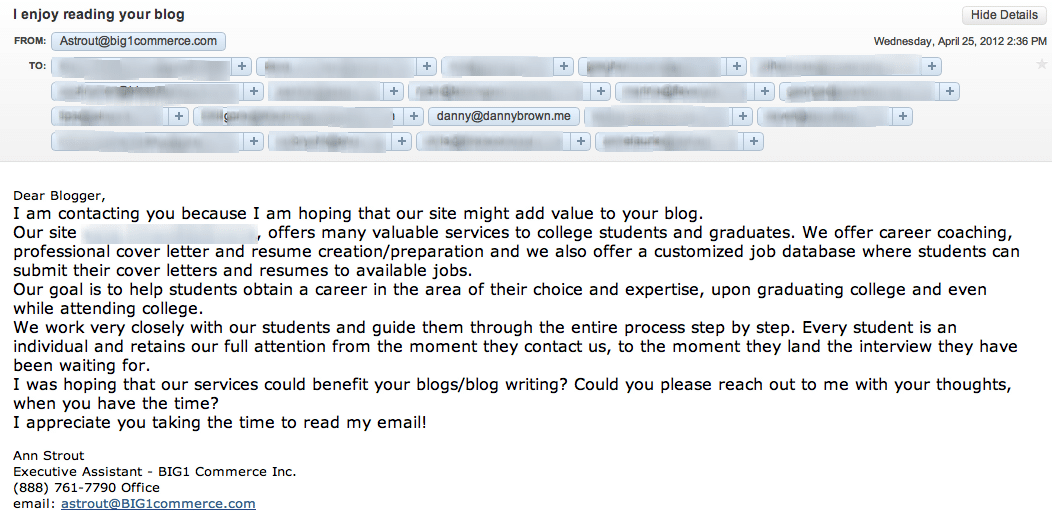
The email below arrived in my Inbox this afternoon (click to expand)

Email pitch

It was sent in the hope of garnering some press for the company’s website, that helps students connect with potential employers. Great – nothing wrong with that, and here’s to more companies helping students get a great start in life.

The problem is, the approach is all wrong and will probably put off every blogger they reached out to (and there were some big names in there). Here’s why:

  • The message header and the opening line don’t gel. The message header is great – “I enjoy reading your blog” is always an ego-stroke guarantee for a click-through. But then you get the generic “Dear Blogger” salutation. Bah.
  • Mass email, baby! As you can see, the email was sent to quite a few addresses and, better still, this was via open cc’d. This meant what should have (probably) been a private list now gave other people access to email addresses that the owner may not have want shared.
  • Lack of relevance. At no point in the email (apart from the standard opening blurb about being useful for the blog) is there a cohesive point made on why the company’s site would be relevant for my readers (or that of the other bloggers that were emailed).
  • A confidence-building domain… When I clicked through to the domain of the email sender, I was greeted with the image below.

Big1 domain

Now, it may be that the coolest website on the planet is due to arrive at the domain – who knows, even cooler than Chuck Norris! But for now, it raises alarm bells as to who’s behind the email and how well they’d serve the students they’re looking to help.

Simply put, it adds the finishing touches to an email that means well but does pretty much everything that goes against a solid blogger outreach program.

What They Could Have Done

Now, it may be that it’s a small company looking to get awareness and a foothold in the space, and they feel that bloggers with a certain audience reach can help. Or, they’ve heard blogging is the new advertising and it costs less money too.

Nothing wrong with that – most bloggers love to help promote something that’s relevant to their audience. The problem here is that the pitch fell flat at the first hurdle due to the approach.

What they could (should) have done is:

  • Ignore the mass email approach. Bloggers are generally busy people. If they feel a pitch isn’t truly targeted, they’ll ignore and move onto the next one. Try and really personalize the approach – use the blogger’s first name and a little overview of your understanding of the blog and audience. And, if you must use mass email, make it a BCC…
  • Use examples of relevance throughout. You don’t need to suck up to the blogger to get their attention, but maybe drop in 2-3 references to past posts that correlate to your service. Each reference builds your case – build the case and your job’s almost done.
  • Make sure you’re ready for investigation. Bloggers are successful because they’ve built trust with their audience. They won’t ruin that by not doing due diligence, and the first thing they’ll do is check you out. Make sure you’re ready for that – if your website isn’t built, don’t share your domain.

These are just really short suggestions based on this particular email and where it went wrong.?You also need a great boss who can educate you on best practices, just in case Ann is a junior and she’s been told to send a pitch like this. If so, her boss should be ashamed.

To really run a great blogger outreach program needs a very cohesive approach.?It also helps if you’ve been some part of the blogger’s audience beforehand – a tweet here, a blog comment there, etc.

Awareness of you means a better chance when it comes to sharing awareness of your product by the blogger in question.

Contrary to popular belief, bloggers do want to share your content – we just need a reason to do so.

Note: In his comment about this post, Frank Strong (who I respect immensely) questioned my outing of what may be a junior person at a PR agency. To clarify: this would never be a goal of mine.

If you try Google the name, nothing comes up. Nothing. Same with the company on LinkedIn. Which makes me think it’s a front for the “client” they’re pitching, which I did blur out.

Additionally, the blogger names that were on the email were all over the place. Two PR agencies; a sports blog; two tech blogs; a mobile phone blogger; a car forum and more. There was no rhyme or reason – it was just a blind pitch with a bunch of names thrown in for good measure.

With all that in mind, if someone is so indifferent that they don’t “exist” and are blasting out a generic message, then perhaps it makes no difference to blur or not.

3 Ways to Repurpose Old Content to Create New Premium Products

Monetize your blog

Monetize your blog

One of the biggest questions many bloggers ask is how to monetize their blog. Search for that on Google, for example, and you?ll get?over four million results.

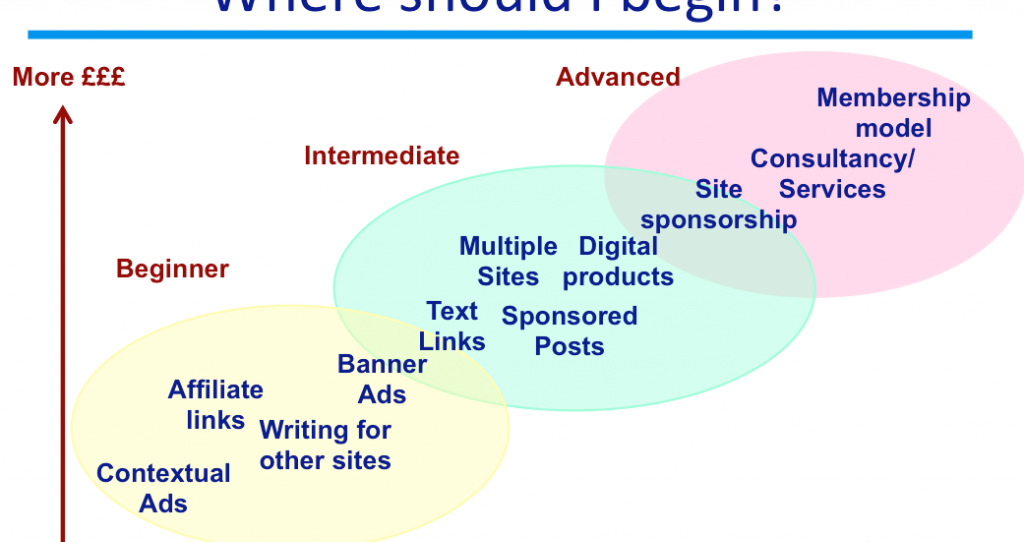
From having advertisements on your blog to selling affiliate links (or your own product), it?s clear that bloggers want to be able to make money from blogging ? it?s just a matter of how (and?without upsetting your readers).

Yet instead if trying to come up with new ways to monetize your blog, why not dig back into your archives and use stuff you?ve already created? After all, that offers a simpler and quicker way for you to start monetizing, and also gives you a ready audience, because they?re topics that people want to hear about (which we?ll see in the post).

So, with that in mind, here are?three ways for you to monetize your blog with some of your older content.

Create a Premium Ebook

Parables of BusinessLast year, I started writing blog posts that were akin to short stories. I?d offer business ideas and strategies through these posts, but wrap them in stories that could be looked at as fables.

These posts were incredibly popular, and gave me the idea to create an ebook around them and add new content as well to enhance the older posts, and then release it as a premium ebook.

That ebook was?The Parables of Business, and it?s since sold just under?a thousand copies. Multiply that by the $15 price for the ebook, and you can see that it was a great way to make the content from my blog profitable.

Look back at your content, and see if there?s an ongoing theme that can be fine-tuned and made available as a premium publication. It could be an educational series; a series on blogging tips; a series on health, or whatever your blog talks about. Look at the comments from these posts, and see if there were any unanswered questions.

Take these questions and turn them into brand new sections of your ebook, to make sure you offer value for any loyal readers. Add some new resources, and get your ebook professionally designed to make it a more attractive proposition. Then start selling and promoting (and even consider?an affiliate program?to help you reach more potential buyers).

By being a blogger, you?re already a writer (unless you?re a video blogger or podcaster) ? so why not sell books too?

Create an Educational Video Download

Premium videoVideo is an incredibly powerful medium.

Not only can a video enhance a point more than any written word could, purely from an ?Okay,?now?I see what you mean? standpoint, it?s also a great way to revamp old content.

Check your analytics, and see which posts had the most traction. That suggests that there?s an audience for that content, and while your written word may have been popular, a video overview will be even more so.

Create a video that shows how to maximize the SEO of your blog and content; or how to set up a WordPress site from scratch (including finding the best host); or how to understand the basics of coding so other bloggers can improve their own site design.

If you can write about something, you can almost universally create a video about it. Make it valuable and something that?s clearly needed, and a premium video download can be a great addition to your monetization strategy.

Host a Premium Webinar

Premium webinarBouncing off the video download idea, an equally effective way to monetize old content is to build a webinar around it.

Did you write a post that looked at the importance of theme design and readability when it comes to reader growth?

Or did you write a post about the best way to take advantage of new technologies?

Any time you write a post about something that can help someone overcome issues or improve their process, it immediately becomes valuable.

If the written word becomes valuable, you can imagine how?valuable a?live webinar, with the ability to ask questions on the fly and see something happen in real-time, can be.

Again, look at your analytics and see where the most popular content has been. Combine that with something like?InboxQ?to get an idea of current needs and wants of potential customers for your webinar, and you can soon build a session that people will pay to attend.

If You Can Create It, You Can Sell It

These are just three ideas to get you started on ways to use old content to get new ways to monetize your blog. There are more ? blog consultancy services based on old content research, for example, or a members-only forum to answer the questions your readers are asking the most.

As a start, though, they should help you get started with selling your content that you take time and love to create. Because let?s face it ? if it can be created, it can be sold. Quality never has a price limit on it.

All you need to do is find the content you feel offers the most value and opportunity to turn into a premium offering. The good news is, the audience is waiting ? you just need to provide.

This post originally appeared on For Bloggers By Bloggers, where you’ll find daily blogging tips to help you grow your blog and make it the best it can be. Subscribe today to make sure you get the latest updates as soon as they’re published.?

image:?My Blogging Journey

Can We Still Trust Google?

what does google want to be

what does google want to be

It’s a question many are asking – can we still trust Google? (In fairness, it’s a question you could ask of any social company).

I’ve written about my falling out of “like” with Google on here a few times recently, and they still continue to piss me off. For example, I completely deleted my Google+ account but folks on there are still allowed to send me updates via email because Google thinks that’s okay.

Or, I tried to access my Google Analytics from my simple Account tab in Gmail, and Google wouldn’t let me progress any further until I “upgraded” to Google+. Yeah, right – piss off, Google, and take your spammy account growth ways with you.

However, I recognize that I’m biased, so I thought this infographic from BackgroundCheck.org was fairly interesting. It gives a nice cross-reference of Google’s history, missteps, and how the general public views online search, privacy and tracking.

For example:

  • I didn’t know that Google had been listed as “Hostile to Privacy” in 2007 by Privacy International, which is the lowest rating you can get.
  • 65% of web users don’t want their search personalized based on prior search history.
  • 73% of web users don’t want their results tracked.

It’s pretty telling stuff, and perhaps another reason why Google is getting so heavy-handed in its Google+ sign-up charge (they’re still quoting incorrect numbers due to the enforced Google+ sign-ups via using new Google products).

I don’t know – I never thought I’d see the day when I preferred Zuckerberg’s machine over anything else when it comes to privacy and operations. But Google’s making that easier every single day.

Ah well… onto the infographic (click to enlarge).

Mother, Can I Trust Google?

  • Page 1
  • Page 2
  • Page 3
  • Go to Next Page »
© 2026 Danny Brown - Made with ♥ on Genesis